
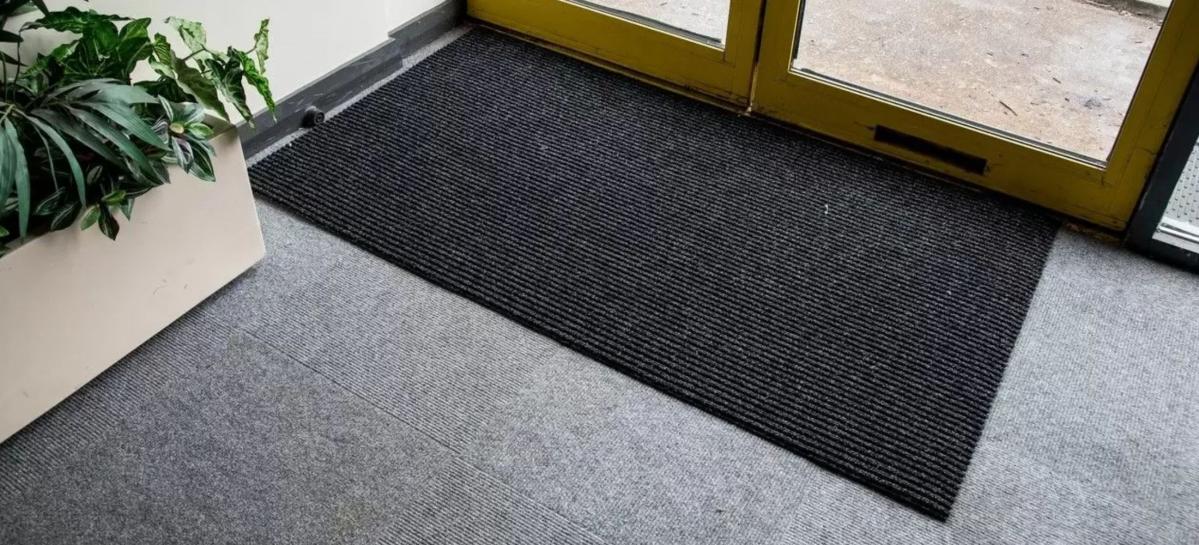
Homeowners are turning to bespoke mats due to the fact they can be made to specific size dimensions, allowing them to slot neatly into entrances, hallways, and other rooms without taking up too much or too little space. However, sizing is only one thing to consider when it comes to investing in a bespoke mat. Selecting the right material is another important decision to make, as it can influence everything from how a mat traps dirt to how it feels underfoot, as well as determining how well it can cope with moisture, how easy it is to clean, and how long it’ll last before showing signs of wear. This means that whilst the size of a bespoke mat decides how well it fits in your home, the choice of material determines how well it performs in your home.
There are a number of materials to choose from, including coir, cotton, and synthetic fibres, with each one having different origins and unique benefits that are useful to keep in mind so that you know which one is best suited to your needs when it comes to choosing your bespoke mat. At Grimeford Mill, we offer a great selection of coir, cotton, and synthetic fibre matting, and knowing the properties and advantages of each material will help you have an easier time navigating our range.
Coir
Coir fibres come from the outer husks of coconuts and have a distinctive rough texture. Their strength and stiffness makes coir mats excellent for scraping mud, sand and grit from shoes, helping keep homes cleaner by preventing the spread of contaminants. This stiffness also helps these mats hold up well over time, making them incredibly long-lasting and able to perform for many years. In addition to strength, coir also has a warm, natural appearance that complements rustic interiors, but it can also be dyed to make coloured coir matting that looks exceptional in more modern environments, making these particular mats extremely diverse.
Bespoke coir mats are typically easy to maintain, too, usually only requiring shaking or vacuuming to remove loose dirt. For deeper cleaning, you can simply use a damp, stiff brush, which can dislodge more stubborn debris. We recommend investing in bespoke coir mats if you live in a rural area or if your home has a garden, as these places are likely to contain soil and grit, which can be tracked into your home if they aren’t caught straight away at entrances.
Cotton
Cotton is the go-to choice for those who want something softer and more absorbent. It also has a gentle texture that makes cotton mats feel very comfortable underfoot, reinforcing their appeal when it comes to indoor use. These benefits don’t come at the cost of cleanliness, either, as cotton mats still excel at catching fine dust, light dirt, and moisture from wet shoes, which helps keep your floors cleaner and drier. Families often favour cotton mats because they’re soft, safe, and comfortable for children and pets. Plus, like coir, cotton mats can be dyed in many different colours, allowing you to coordinate them with surrounding décor.
However, despite bespoke cotton mats being incredibly durable, they aren’t quite as strong as coir mats, and their soft fibres may wear quicker from heavy mud and constant abrasion, especially when placed at high-traffic entrances. That’s why we recommend that you place bespoke cotton mats near internal doorways, bathrooms, utility rooms, and kitchen entrances, where they can trap small amounts of dirt and water and provide exceptional comfort without taking a big beating from the initial debris brought from outside.
Synthetic Fibres
Synthetic fibres include nylon, polyester, or polypropylene and are made to resist moisture, staining, and wear, which make them ideal for active households where daily use is expected. One of the main characteristics of synthetic fibre mats is their ability to handle moisture. Unlike coir or cotton mats, they don’t absorb water, meaning they can dry quickly, which makes them ideal for covered outdoor entrances as well as indoor entrances, kitchens, and other high-moisture areas.
Bespoke synthetic mats are available in many colours, allowing you to choose a style that suits your home’s personality, and they can be made in various styles, with one iconic profile being the ADEM rib entrance mat. These particular variants feature a ribbed pattern, which works in harmony with the coarse polypropylene fibres to provide excellent scraping power and strength. Another good thing about bespoke synthetic mats is their resistance to mould and mildew, which is useful in damp environments, along with the fact that they don’t moult or shed like other traditional matting products, both of which contribute to easier maintenance.
Choosing Bespoke Mats Based on Your Home’s Needs
When deciding which material is best for your bespoke mats, you should think about how your home is used day to day. The type of footwear people wear, the number of people coming and going, and whether you have pets or young children can all affect what you need from a mat.
For example, in homes where muddy boots, paw prints or garden debris are a regular issue, coir or synthetic fibres are usually the most practical. Coir is excellent for scraping off hardened dirt and soil at the door, stopping it from being tracked through the house. Synthetic mats offer similar performance but have the added benefit of drying quickly, which is particularly useful if the mat is likely to get soaked or needs regular cleaning. If your focus is on indoor areas where water, moisture, and comfort are more of a concern than heavy mud, then cotton mats are a better choice. Their high absorbency means they can soak up moisture effectively, helping to prevent wet footprints on hard floors. They also feel softer underfoot, which is ideal for interior spaces like hallway entrances, utility rooms, and kitchen doorways.
There are also some external factors to keep in mind as well that extend beyond how each kind of mat performs. For instance, homes with allergy sufferers or sensitivities to dust may prefer synthetic mats for hygiene reasons, because these materials can be cleaned more thoroughly and often dry faster, making it easier to keep allergens under control. Also, if you’re eco-conscious, then coir mats are a great option, as they’re made from a renewable material that’s biodegradable and kinder on the environment.
Each material has its own strengths and unique characteristics, and your decision should reflect the specific demands of your household. Don’t just think about where the mats will go but also consider how they’ll be used and what they’ll need to cope with. By making an informed decision, your bespoke mats should last longer, work better, and make everyday life a little bit easier.
Final Note
Selecting the right fibre for your bespoke mats doesn’t need to be complicated, as once you understand how each material behaves, the decision becomes a lot simpler. Coir offers toughness and a natural charm, cotton provides softness and absorbency, and synthetic fibres deliver strength and water resistance, and taking time to choose the right fibre means you’ll enjoy bespoke mats that can look right, feel right, and perform well for years to come.
No matter which material you opt for, you can trust Grimeford Mill to deliver exceptional bespoke mats. We offer matting made from coir, cotton, and synthetic fibres in a number of natural, modern, and rustic colours, meaning that our selection can cater to a wide range of interior designs, including traditional, modern, and contemporary settings. In addition to style, we also pride ourselves on offering mats that are strong, high-quality, and long-lasting, so that when you invest in one of our products, you’re getting a dependable flooring solution that can perform well for a long time. To discover our full stock of bespoke mats, browse our website today. If you have any questions, please call 01772 330051.