
If you’ve been following our blogs, then you’ll have previously learnt how coconut mats are extremely useful for trapping dirt and debris at your home’s entrances, helping stop people from dirtying up your surrounding interior floors. As well as this, they also absorb moisture, add extra traction, offer a rustic look, and are resistant to mould and mildew growth. Simply put, they are an effective form of matting that has a long list of benefits that make them a must-have for homeowners.
The exceptional performance of your coconut mat might overshadow the fascinating process behind how it’s made. However, we believe that you should also acknowledge the journey of this household essential, as it’s one that embodies sustainability and craftsmanship, from its start at a coconut plantation all the way to the front of your home!
The Full Journey of a Coconut Mat
Harvesting the Coconut Husks
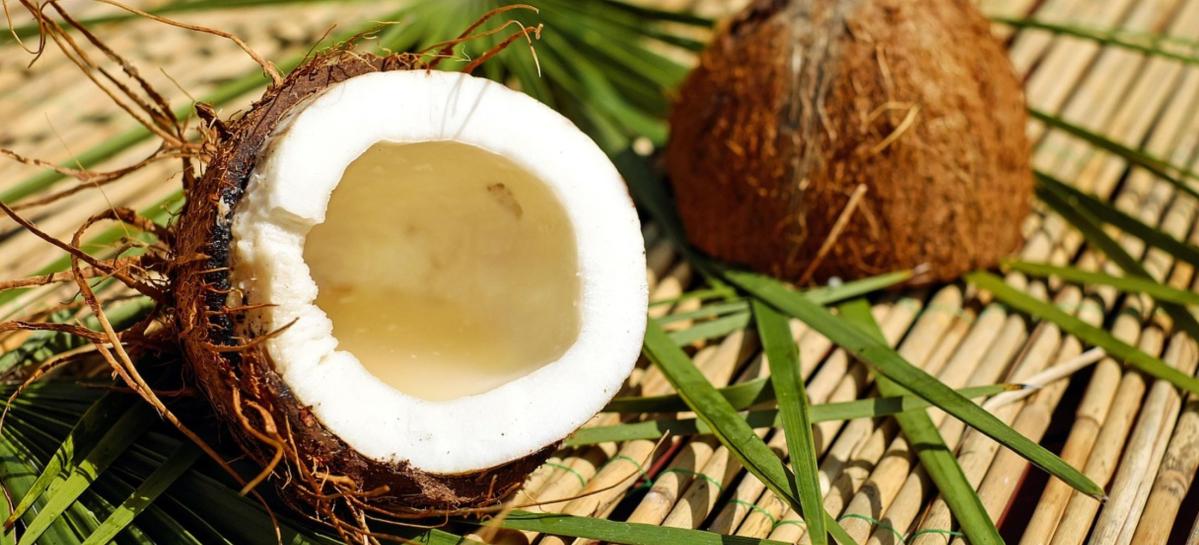
Coconut mats come from one of nature’s most versatile resources: the coconut palm. These trees grow in tropical regions such as India, Sri Lanka, Indonesia, and the Philippines. The coconuts themselves are usually harvested for their milk and meat (the white ‘flesh’ found inside). However, harvesters may also collect the outer husk, as this is a highly valuable material known as coir and is the main component used in the construction of a coconut mat. Once these outer layers are collected, they are typically transported to processing centres, where they begin their transformation from rough shells to the durable fibres used in your mat!
From the very start, it’s evident that each part of the coconut is harvested for one purpose or another. The milk and white copra can be used for food and cosmetic products, whilst the shell may possibly be used for matting, utensils, or even fuel. This means that when you invest in a coconut mat, you’re likely supporting the eco-friendly farming of a zero-waste product where nothing gets left behind!
Processing the Coir Fibres
Before the husks can become mats, they must first be processed in order to extract their coconut fibres. This involves a traditional method called retting, where the husks are soaked in water for several weeks. This will loosen the fibres, making them easier to separate.
After retting, the outer layers of the coconuts are beaten or mechanically shredded to release long, coarse fibres, which are then dried under the sun to remove moisture. Once dry, the fibres are normally sorted by size, with longer ones being saved for brushes and ropes and the shorter ones are reserved for mats. Once they have been divided up, these coir strands will then be spun into yarn, which can be achieved through mechanical or manual means.
Weaving and Manufacturing the Coconut Mat
Now that the natural coir fibres are prepared, they are ready to be woven into mats. This can be done by hand-weaving or by using machines. Some mats may be left in their natural state during this stage, but some will go through additional processing, which could mean several things. Some mats may be trimmed to fit various size dimensions. Others may have rubber or polyvinyl chloride (PVC) applied to their backs, making them more durable and stopping them from shifting when walked on. Either way, the end result will be a coconut mat that has a distinctive rough texture, which makes it outstanding at scraping dirt and mud from shoes.
The Finishing Touches
Once the coconut mats are made, each one will typically go through a final quality check before being packaged and shipped to the buyers. Good manufacturers will go to great lengths to ensure that each coconut mat is thoroughly inspected to ensure it’s well made and of high quality before being sent to a customer.
And the Journey Ends
So, the next time you wipe your shoes on your coconut entrance mat, take a moment to appreciate its marvellous journey! This product started off as a simple drupe on a palm tree, but through resourceful harvesting and efficient manufacturing, it ended up becoming an invaluable flooring solution for your home’s entryway.
No Coconut Mat? No Problem!
If you haven’t got a coconut mat but are interested in getting one, then shop our collection online. At Grimeford Mill, coconut matting is our speciality, and we have a large selection to back up that claim! Our range offers a variety of modern and rustic colours as well as rubber edge options for those who want a slightly sleeker look. All our coconut mats also have a durable PVC backing for added safety.
Browse our full selection of coconut mats today. For any enquiries, feel free to contact us. We look forward to speaking with you!