
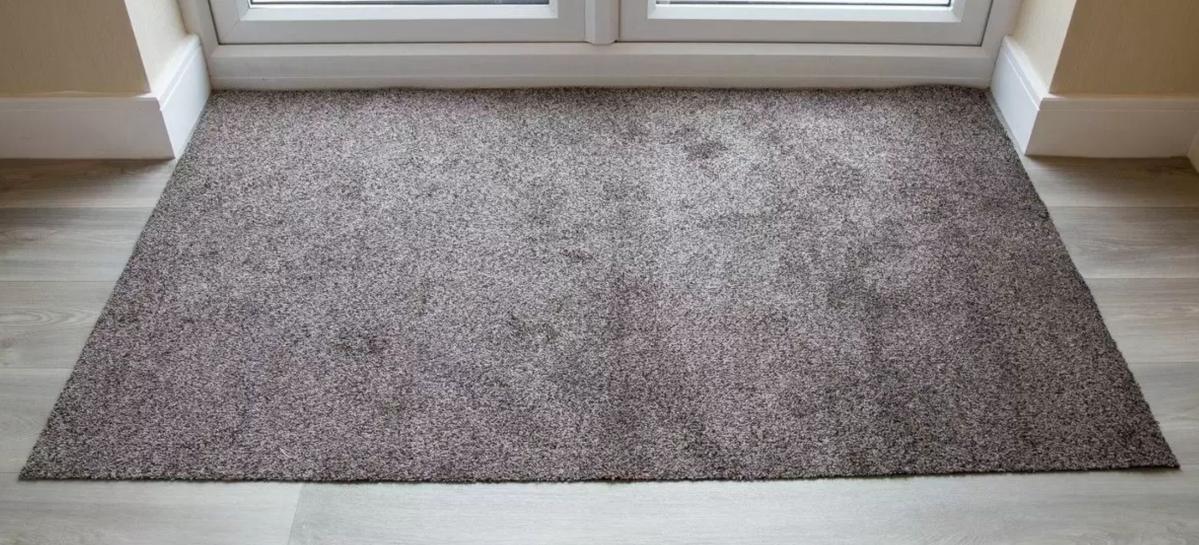
Cold floors can be unwelcoming in many homes, especially in the UK, where frosty mornings and draughty rooms become a regular occurrence during the autumn and winter months. No matter if you’re stepping out of bed onto icy floorboards or standing in a freezing kitchen whilst cooking dinner, it’s likely that cold underfoot surfaces can make a home feel a lot less comfortable and harder to relax in, and whilst underfloor heating and high-end insulation are ideal solutions, they're not always affordable. The good news, however, is that a simpler and far more cost-effective alternative exists in the form of indoor matting.
More than just a place to wipe your feet, indoor mats can also provide warmth, comfort, and cosiness to cold surfaces without the need for major renovations, meaning that you won’t have to deal with walking over freezing surfaces and instead, can enjoy a more relaxing home. Plus, with indoor mats coming in a range of colours and materials, they can also provide warmth in a less traditional sense, which means that as well as comfort, they can also offer exceptional style and complement your interior décor. But before we explore how indoor matting can help keep your home warmer, let’s find out why your floors can get cold in the first place.
Why Can Floors Get Cold?
Cold floors are usually the result of a combination of building design, flooring materials, and heat loss within the home. Many modern and older UK properties use hard flooring such as tile, stone, laminate, vinyl, or sealed wood, all of which conduct heat away from the body rather than retaining it. This means that even when a room feels warm, the floor can remain noticeably cold underfoot. Ground-floor rooms are particularly affected, especially those built over concrete subfloors or uninsulated foundations, as the low temperature from the ground below transfers directly into the floor surface. Entrances, hallways, kitchens, and bathrooms also tend to suffer more due to frequent door openings, draughts, and moisture, all of which can contribute to lower surface temperatures and an overall colder feel at floor level.
How Indoor Matting Helps Warm Up Your Home
Indoor matting helps warm up your home by creating a physical and insulating barrier between your feet and the cold floor beneath. Even a relatively thin mat can be enough to reduce direct contact with cold surfaces, slowing down heat transfer and helping retain warmth underfoot. This makes everyday activities such as walking through hallways or standing in kitchens and bathrooms far more comfortable, particularly during colder months. In addition to insulation, mats may also help reduce draughts at floor level, especially when placed near doorways and entrances where cold air tends to settle. By improving comfort in these key areas, indoor matting can make entire rooms feel warmer and more inviting.
Indoor Matting Materials That Add Warmth and Comfort
Coir Matting
Coir is a natural fibre extracted from the husk of coconuts and is widely known for its strength. Whilst coir mats are often associated with scraping dirt at doorways, they can also play an important role in reducing cold temperatures underfoot in entrance areas. The dense, fibrous structure of coir and the tightly packed fibres can create a buffer against cold tiles or stone floors, trapping air and improving insulation, thus making doorways feel less harsh during winter months.
Cotton Matting
Cotton mats are ideal for areas where softness and warmth are equally important. Naturally soft and comfortable, cotton provides a gentle, cushioned feel underfoot that improves comfort in rooms with cold flooring. Plus, cotton fibres hold warmth well and feel noticeably warmer to the touch than hard surfaces, making them particularly popular in bathrooms, bedrooms, and kitchens. In addition to warmth, cotton mats are highly absorbent, which makes them practical in areas prone to moisture, such as near sinks or showers. They’re also easy to clean, making them exceptionally low maintenance.
Synthetic Fibre Matting
Synthetic fibre mats, made from materials such as polypropylene, nylon, or polyester, offer comfort, insulation, and lasting strength. These mats are often designed with layered constructions that enhance heat retention whilst remaining hard-wearing enough for busy households. Many synthetic mats feature dense fibres that trap warm air, creating an insulating layer that helps counteract cold flooring. Many of these mats also include anti-slip backings, which help keep the mat securely in place so that fall risks are reduced.
Adding Visual Warmth
As well as temperature, warmth in a home can also mean how an interior looks and feels, and indoor matting contributes to visually warm rooms by introducing soft textures, warm tones, and natural materials. For example, coir mats can offer a rustic, earthy charm to entrances and hallways with natural golden-brown tones, making cold tiled thresholds feel more inviting. Cotton mats, with their soft feel and gentle colours, on the other hand, can add comfort and a homely touch to bathrooms and bedrooms, helping these spaces feel warmer and more lived-in. Meanwhile, synthetic fibre mats come in a wide variety of colours and patterns, allowing you to incorporate deeper tones or subtle textures. So, whether you’re aiming for a minimalist, Scandinavian feel or a cosy, country-style interior, an indoor mat can pull the whole look together, creating not just a more comfortable floor, but a more comforting home overall.
End Note
Cold floors can affect how comfortable and welcoming your entire home feels, but indoor matting offers a simple, affordable solution that not only helps insulate against chilly surfaces but also adds a layer of everyday comfort where it’s needed most. No matter if you choose coir for its strength, cotton for its softness, or synthetic fibres for their versatility, the right mat can transform cold, hard floors into warmer, more inviting areas. Plus, with so many styles, textures, and colours available, investing in a premium indoor mat also doesn’t mean that you have to sacrifice design. By placing mats strategically throughout your home, you can make a noticeable difference to both the look and feel of your interiors, helping your rooms feel warmer, cosier, and far more enjoyable all year round.
Warm Indoor Matting from Grimeford Mill
So, if you want to make your cold floors feel warmer, cosier, and more comfortable without the need for costly upgrades, our range of coir, cotton, and synthetic brush mats at Grimeford Mill is a great place to start. Each mat is designed with everyday comfort and practicality in mind, whether you’re looking for the natural texture of coir, the soft absorbency of cotton, or the easy-clean benefits of synthetic fibres. All of our mats feature PVC backings to keep them securely in place, helping to prevent slips and bunching, even in high-traffic areas. For a smart, modern finish, you can also choose options with rubber-edged borders. Plus, we have a wide variety of colours available, from rich, bold tones to subtle natural shades, so it’s easy to find a mat that blends beautifully with your interior whilst keeping your floors warm and protected all year round. Browse our website today to discover all our indoor matting products, or contact us if you have any questions.