
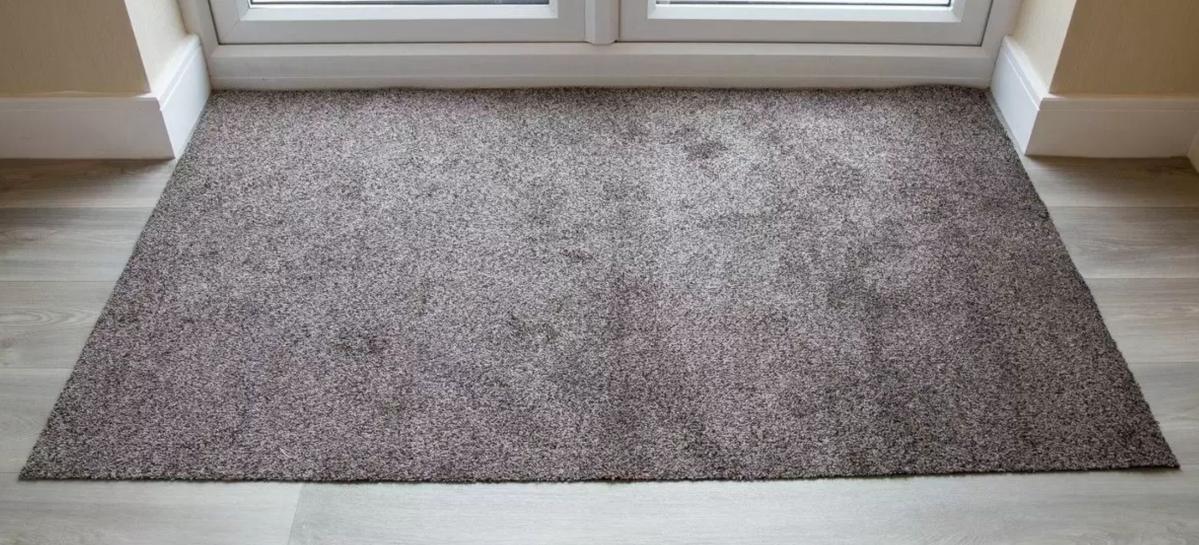
Wooden floors and laminate surfaces continue to be some of the most popular flooring choices in UK homes, and it’s easy to see why. They offer a clean and stylish appearance, work well with both modern and traditional interiors, and are generally easier to maintain compared to carpeted flooring. Wooden floors can add warmth and character to a room, whilst laminate provides a practical and durable alternative that still delivers an attractive finish. Across hallways, kitchens, dining areas, conservatories, and open-plan living spaces, these flooring types have become a common feature in homes of all sizes. However, whilst wooden and laminate flooring are designed to cope with everyday life, they are still exposed to constant wear from household activities. Foot traffic, muddy footwear, pet claws, moving furniture, moisture, dust, and small abrasive particles can all gradually affect the condition of the surface. Areas near entrances and walkways are particularly vulnerable because they experience repeated movement throughout the day. Over time, even minor dirt and grit can leave scratches, dull protective finishes, and make floors look worn sooner than expected.
This is why indoor matting is so important. The right matting acts as a protective barrier that helps reduce the amount of dirt and moisture reaching the floor in the first place. It also helps improve grip, increase comfort underfoot, and reduce wear in high-traffic parts of the home. Modern indoor matting is no longer purely practical either, because with a wide range of materials, colours, patterns, and finishes available, it can also complement interior décor whilst continuing to protect flooring effectively. Let’s take a closer look at why indoor matting is needed for wooden and laminate floors and how it can help keep your home cleaner, safer, and more comfortable throughout the year.
Why Wooden and Laminate Floors Need Extra Protection
Wooden and laminate flooring may be durable, but they are still constantly exposed to pressures that gradually affect their appearance and condition. One of the biggest issues is dirt and grit carried in from outside. Tiny stones, dust particles, and bits of debris may seem harmless at first, but repeated foot traffic causes these materials to rub against the floor surface continuously. In busy homes, this happens every single day. Shoes coming in from gardens, pavements, and driveways introduce abrasive particles that can slowly scratch protective coatings and leave visible marks, especially in heavily used areas such as entrances and hallways. Over time, this wear can make flooring lose some of its original appearance and shine.
Moisture can also create problems. Wet shoes, umbrellas, pet paws, and even small spills can leave water sitting on the floor surface. Whilst laminate flooring is generally built to resist moisture better than some natural wood finishes, standing water can still lead to issues if it repeatedly reaches joints and edges. Wooden flooring may also react to regular exposure to damp conditions, particularly if moisture is not cleaned quickly. Indoor matting helps reduce these issues by acting as the first line of defence against dirt and moisture before they spread further into the home.
Reducing Dirt and Debris Throughout the Home
One of the biggest advantages of indoor matting is its ability to trap dirt in key areas around the house. Positioned near entrances, hallways, back doors, or transitional spaces between rooms, matting creates a controlled area where debris can be removed from footwear before it reaches surrounding flooring. This is particularly important with wooden and laminate floors because dirt tends to remain highly visible on smooth surfaces. Muddy footprints, dust, and grit can quickly affect the overall appearance of a room, making floors appear untidy not long after cleaning.
Indoor matting helps contain much of this dirt within one manageable area. Instead of debris being carried throughout the property, it becomes trapped within the fibres of the mat. This not only keeps the home cleaner overall but also reduces the amount of sweeping, vacuuming, and mopping required on a daily basis.
Helping Prevent Scratches and Surface Wear
Scratches are one of the most common concerns for homeowners with wooden or laminate flooring, and even small particles of grit can gradually create fine marks across the surface when walked on repeatedly. Indoor matting helps reduce this risk significantly by intercepting dirt before it reaches the flooring itself. As people wipe or walk across the mat, much of the abrasive material becomes trapped within the surface rather than being spread throughout the room.
This is especially useful in high-traffic areas such as entrances, hallways, kitchens, and routes leading into gardens or conservatories. These areas often experience the highest levels of wear, and without protection, they can begin to show signs of ageing more quickly than quieter parts of the home. By reducing direct contact between dirt and the floor surface, indoor matting helps preserve the appearance and lifespan of wooden and laminate flooring over time.
Managing Moisture During Wet Weather
British weather often means wet conditions are unavoidable for large parts of the year. Rainwater, muddy shoes, and damp clothing can all introduce moisture into the home very quickly, particularly near front and back doors. Wooden and laminate floors can become slippery when wet, increasing the likelihood of slips and falls. Repeated exposure to moisture can also affect the condition of the flooring itself if water is allowed to sit on the surface regularly.
Indoor matting helps absorb and contain much of this moisture before it spreads further into the room. Positioned near entrances, it creates a barrier that captures water from footwear and helps keep surrounding floors drier and safer. This becomes especially valuable during autumn and winter when homes often experience higher levels of mud, rainwater, and damp debris being carried indoors.
Supporting Safer Movement Around the Home
Indoor matting also contributes to safety within the home. Smooth wooden and laminate floors can become slippery when exposed to moisture, dust, or fine debris, particularly in busy areas where people move quickly throughout the day.
Matting provides additional grip underfoot and helps reduce the spread of contaminants that may affect traction on surrounding flooring. This can be especially useful for households with children, elderly relatives, or pets, where maintaining safer walkways is an important consideration. Low-profile mats with secure backings also help create safer surfaces without obstructing movement around the home.
Adding Comfort in High-Use Areas
Whilst wooden and laminate floors are practical, they can sometimes feel hard or cold underfoot, especially during colder months. This is particularly noticeable in kitchens, hallways, and utility spaces where people spend long periods standing or walking.
Indoor matting introduces a softer and more comfortable surface in these areas, helping reduce strain on the feet whilst also making the home feel warmer and more welcoming. Certain types of matting, such as anti-fatigue mats, can provide additional cushioning that improves comfort during longer standing tasks. This added comfort can make busy household areas feel more pleasant to use every day.
Complementing Interior Design
Modern indoor matting is available in a huge variety of colours, textures, and finishes, allowing it to complement the wider design of the home rather than interrupt it. This is especially important in homes where wooden or laminate flooring forms a major part of the interior style. The right matting can add texture, contrast, or pattern whilst still blending naturally with surrounding décor. Instead of looking purely practical, indoor matting can now become an integrated part of the room’s overall appearance whilst continuing to deliver strong everyday protection.
What Kinds of Indoor Matting Can You Find at Grimeford Mill?
At Grimeford Mill, we offer a wide range of indoor matting designed to protect wooden floors and laminate surfaces whilst also complementing home interiors. All mats can be cut to specific size requirements, allowing homeowners to achieve a tailored fit that works perfectly within entrances, hallways, kitchens, utility rooms, conservatories, and other interior spaces. This precise sizing helps provide effective floor coverage without overcrowding the room or leaving exposed flooring vulnerable to dirt and wear. Here’s a closer look at the types of matting we stock:
-
Coir Mats
Our coir mats are ideal for entrances and high-traffic areas thanks to their strong natural fibres and excellent scraping performance. They help trap mud, grit, and debris before it spreads further into the home whilst also introducing natural texture that works well alongside wooden and laminate flooring.
-
Synthetic Brush Mats
Synthetic brush mats are designed for busy households that require durable and easy-to-maintain floor protection. Their strong fibres also help remove dirt and moisture effectively whilst standing up well to regular daily use in family homes. One major difference between our brush and coir mats is that synthetic fibres offer even greater water resistance, making them especially good for areas where constant rainfall is to be expected.
-
Anti-Fatigue Mats
For kitchens, utility rooms, and hobby areas where comfort matters, we also offer anti-fatigue matting. These mats provide extra cushioning underfoot, helping reduce strain during long periods of standing whilst still protecting flooring and maintaining grip.
-
Rubber Mats
Our rubber mats are especially useful in areas exposed to moisture or heavy use. Their durable surfaces provide excellent grip whilst helping protect flooring from water, dirt, and debris. Rubber edge options are also available, helping give the mats a cleaner and more modern appearance that suits contemporary interiors.
-
Hallway Runner Mats
Hallway runner mats are perfect for protecting longer stretches of wooden or laminate flooring in busy corridors and walkways. Available in a wide range of attractive colours and patterns, including striped and pebble-effect designs, these mats help reduce wear whilst also adding visual interest throughout the home.
Our mats also include either PVC or waffle gel backings, both of which help prevent shifting during daily use. This added stability supports safer movement around the home whilst keeping the mat securely positioned on smooth flooring surfaces. Plus, with so many colours, textures, patterns, and edging options available, homeowners can choose indoor matting that not only protects their flooring but also supports lasting style throughout the home. If you want to discover our complete range of indoor matting, browse our website. Alternatively, you can call 01772 330051 or email [email protected] if you require any assistance.
Final Thoughts
Indoor matting is one of the simplest and most effective ways to protect wooden floors and laminate surfaces from the demands of everyday life. By trapping dirt, reducing moisture spread, minimising scratches, and improving safety, it helps keep homes cleaner, safer, and more comfortable throughout the year. With modern designs offering both practicality and style, indoor matting no longer needs to feel purely practical, either. Instead, it can become part of the home itself whilst continuing to protect flooring from daily wear and helping maintain its appearance for longer.