
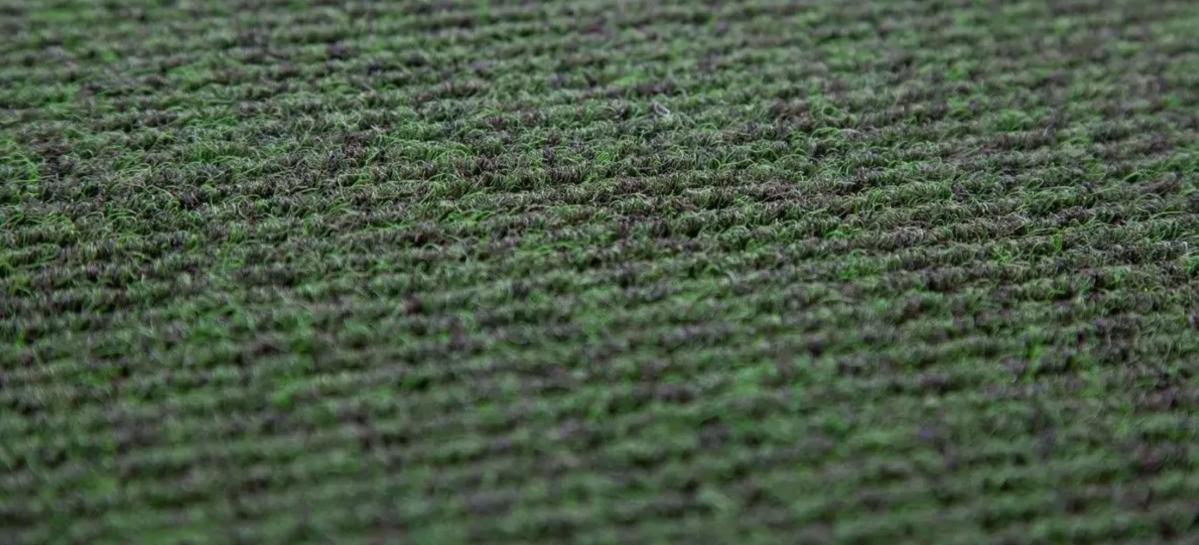
Conservatories and garden rooms are designed to create a closer connection between your home and the outdoors. They are often bright, open spaces filled with natural light, used for relaxing, dining, working, or spending time with family. Because of this connection to the garden, these areas are also more exposed to the effects of outdoor conditions. Doors are opened regularly, people move in and out throughout the day, and it is common for dirt, grass, moisture, and debris to be brought inside.
Unlike other rooms in the home, conservatories and garden rooms often sit directly on the boundary between inside and outside living. This means the flooring in these settings has to deal with more wear, more movement, and more exposure to changing weather conditions. Without the right support, floors can quickly show signs of use, including marks, scratches, and general build-up of dirt. Coconut matting offers a practical and reliable way to manage this. Made from natural coir fibres taken from coconut husks, it is known for its strength, textured surface, and ability to trap dirt effectively. When used in conservatories and garden rooms, it helps create a cleaner, more controlled environment whilst still complementing the light and natural feel of the area. Let’s find out more about coconut matting and the value it brings to conservatories and garden rooms.
Why Conservatories and Garden Rooms Require Extra Protection
These environments often experience a different type of use compared to the rest of the home. They are commonly used as entry points from the garden, which means they are the first place where outdoor dirt is introduced. Muddy shoes, damp footwear, pet paws, and garden tools can all contribute to mess building up quickly. Flooring materials in conservatories and garden rooms are usually chosen for their appearance and strength. Tiles, stone, laminate, and wood are all common choices, and whilst these materials can handle regular use, they are still vulnerable to damage if dirt and grit are repeatedly walked across them. Over time, this can lead to visible wear, dull surfaces, and increased cleaning requirements. Coconut matting helps reduce this impact, however. By capturing dirt at the point of entry, it limits how much debris reaches the main floor area. This helps maintain the condition of the flooring and reduces the effort needed to keep the space clean.
Creating a Clear Transition Area
One of the most useful features of coconut matting in these areas is its ability to define a clear transition between the outside and inside. Even in open-plan conservatories or garden rooms, a designated entry area can make a noticeable difference. Placing matting directly inside the door encourages people to wipe their feet as they enter. This simple action helps contain dirt before it spreads further into the room. In larger areas, matting can also be used to create zones, separating the entrance from seating, dining, or working areas. This approach helps keep the setting organised. It creates a natural flow where movement from outside to inside is managed in a practical and controlled way.
Effective Dirt and Moisture Control
Coconut matting is particularly effective at dealing with the types of dirt commonly found in garden-facing areas. Its coarse fibres work by scraping debris from footwear, trapping mud, soil, sand, and small particles within the mat. This prevents dirt from being carried further into the home, where it can be harder to remove. It also helps reduce the spread of moisture. Whilst coconut matting is not designed to absorb large amounts of water, it can handle light moisture from shoes and help reduce damp patches on the floor. This is especially useful during wet weather, when conservatories and garden rooms can quickly become affected by rain and mud. By managing these elements at the entrance, coconut matting helps maintain a cleaner and safer environment.
Suitable for High Levels of Use
Conservatories and garden rooms are often among the most frequently used rooms in the home, particularly during warmer months. They may be used for entertaining guests, family activities, or simply as a place to relax. This level of use means the flooring must be able to handle constant movement. Coconut matting is well suited to this environment. Its strong fibres are designed to cope with regular foot traffic without losing their effectiveness. Even with daily use, the mat continues to trap dirt and maintain its structure. This makes it a dependable option for households where the space is used frequently.
Complementing the Style of the Setting
Conservatories and garden rooms are typically designed to feel bright, natural, and open. Materials are often chosen to reflect this, with a focus on neutral tones and textures that connect the area to the outdoors. Coconut matting fits well within this setting. Its natural appearance works alongside materials such as wood, stone, and tile, adding texture without overpowering the design. It helps maintain a cohesive look, where practical elements blend in with the overall style of the room. This balance is important, as it allows you to introduce a functional feature without disrupting the visual appeal of the whole setting.
Flexible Use Across Different Layouts
Another key advantage of coconut matting is its flexibility. It can be used in a variety of ways depending on the layout and size of your conservatory or garden room. It may be placed as a single mat near the entrance, used as a runner along a walkway, or fitted across a larger section of flooring to provide consistent coverage. This makes it suitable for both compact rooms and larger open areas. Because it can be cut to size, coconut matting can also be tailored to fit specific dimensions. This allows for a more precise fit, ensuring that the mat sits neatly within the environment and performs effectively.
Reducing Cleaning Effort and Maintenance
One of the most noticeable benefits of using coconut matting is the reduction in cleaning required. By trapping dirt at the entrance, it prevents debris from spreading across the entire room. This means less sweeping, less mopping, and less time spent maintaining the room. In busy households, this can make a significant difference to daily routines. Regular maintenance of the mat itself is simple. Shaking out dirt or vacuuming the surface is usually enough to keep it working effectively.
Supporting Year-Round Use
Conservatories and garden rooms are used throughout the year, and each season brings different challenges. In winter, mud and moisture are more common, whilst in summer, dry dust and debris can be carried inside. Coconut matting performs well in both conditions. It helps manage wet dirt during colder months and traps dry particles during warmer periods. This makes it a reliable option that continues to deliver value regardless of the season.
Final Thoughts
Coconut matting is a practical and effective solution for conservatories and garden rooms. It helps manage the challenges that come with garden access, including dirt, moisture, and regular use, whilst also supporting the overall look and feel of the setting. By placing it in the right areas and choosing the correct size and layout, you can create a cleaner, more organised environment that is easier to maintain. In a space designed to connect your home with the outdoors, coconut matting provides a simple way to keep that connection enjoyable without the added effort of constant cleaning.
Grimeford Mill: Providing Premium Coconut Matting That’s Built to Last
At Grimeford Mill, we offer a wide range of coconut matting that’s particularly well suited to conservatories and garden rooms, where managing dirt whilst maintaining a clean and natural appearance is important. Our matting can be cut to your exact size requirements, allowing you to achieve a precise fit that works with the layout of your interior. This is especially useful in areas where dimensions may be limited or irregular, as it helps create a neat transition between outdoors and indoors without leaving gaps or overcrowding the room.
The natural coir fibres used provide strong scraping performance, helping to remove mud, soil, and debris from footwear before it reaches your flooring. This makes it easier to keep your conservatory or garden room clean, even during periods of heavy use or poor weather. At the same time, the textured surface introduces a subtle visual contrast that works well alongside materials such as wood, stone, and tile, helping the matting sit naturally. In addition to its practical benefits, our coconut matting is also designed to handle regular foot traffic, making it suitable for busy households where these areas are used frequently. No matter if positioned at the entrance, used along a walkway, or fitted across a larger section of the floor, our coconut matting offers a flexible and reliable solution that supports both cleanliness and overall presentation. Browse our website today to view the full range, or call 01772 330051 if you have any questions.