
Autumn and winter can make the areas around your home harder to keep clean and practical. Rain, mud, fallen leaves, and wet footwear can quickly build up around entrances, whilst frost and ice can create additional challenges during colder periods. Outdoor rubber matting can provide a practical surface for dealing with some of these everyday problems. Depending on its design, an outdoor mat can help scrape dirt from footwear, allow water to drain away, and provide additional traction under suitable conditions. However, choosing the right mat for its location is important, particularly if it will be exposed to regular rain, mud, or changing temperatures.
Why Autumn and Winter Can Be Hard on Outdoor Entrances
During autumn, wet weather and falling leaves can quickly affect paths and areas around doorways. Leaves become particularly problematic when they are left to accumulate and become wet, whilst muddy ground can transfer soil onto shoes and boots.
Winter brings further challenges, including frost, rain, snow, and occasional ice. If you regularly move between your home and garden, garage, shed, or other outdoor areas, footwear can carry considerably more dirt and moisture indoors. An outdoor mat provides a defined place to deal with some of this material before entering the property.
How Outdoor Rubber Matting Can Help
A rubber scraper mat can help remove some dirt and debris from the soles of shoes and boots before they reach an internal floor. Textured surfaces can also provide additional traction in wet conditions, depending on the design and the condition of the surrounding area. Outdoor rubber matting can be particularly useful where people regularly move between indoor and outdoor areas. It can help create a clear transition point outside an entrance, reducing the amount of mud and debris that is carried further into the property.
It is worth remembering that rubber matting is not a complete solution for wet or slippery surfaces. Leaves, mud, moss, algae, and ice can all affect grip, so the mat and surrounding area still need regular attention.
Choosing Outdoor Rubber Matting for Wet Weather
The right outdoor mat depends on where it will be used and what conditions it will face. A sheltered porch has different requirements from a completely exposed entrance, whilst a mat outside a garden shed may need to deal with more soil and debris than one positioned beside a front door.
Look for Good Drainage
If a mat is exposed to regular rainfall, drainage is an important consideration. Some outdoor rubber mats feature open or textured designs that allow water to pass through rather than leaving it sitting on the walking surface. The surface underneath matters too. A drainage-style mat will work more effectively where water has somewhere to go. If the area regularly collects standing water, improving drainage around the entrance may be necessary as well.
Consider the Surface Texture
A textured or scraper-style surface can help remove dirt from footwear. This can be particularly useful around garden entrances, garages, and other areas where shoes are likely to pick up soil. The texture should suit the type of debris the mat will encounter. Heavily soiled footwear may require a more substantial scraper design, whilst a sheltered entrance with less exposure may have different requirements.
Check the Size and Thickness
The mat needs to provide enough coverage for the area without becoming an obstruction. Consider the width of the entrance, how people approach the doorway, and whether doors can open freely over or beside the mat. Thickness is also worth considering, particularly where the mat sits close to a door or forms a transition between different surfaces. A suitable design and edge profile can help the mat sit more naturally within the surrounding area.
Think About Where the Mat Will Be Used
A completely exposed entrance needs matting designed for outdoor conditions, including exposure to rain and temperature changes. A sheltered porch may face less direct weather but can still benefit from a textured surface for wet footwear. Always check the manufacturer's specifications to make sure the mat is intended for the location and conditions in which you plan to use it.
Can Rubber Matting Help with Slippery Conditions?
Rubber matting with an appropriate surface texture can provide additional traction in wet conditions, but it cannot eliminate every slip risk. Leaves, mud, moss, and algae can build up on both the mat and the surrounding surface. Ice is another important consideration during winter. If ice forms over the mat, the rubber surface underneath cannot provide the same benefit. For this reason, outdoor matting should be part of a wider maintenance routine. Keep the mat clear, remove leaves and debris regularly, and deal with ice promptly when necessary.
Where Can You Use Outdoor Rubber Matting?
There are several areas around the home where outdoor rubber matting can be useful.
-
Front and Back Doors
A scraper mat can help remove some mud and debris from footwear before people enter the house.
-
Garden Entrances
These areas can become particularly muddy during wet weather, making a durable outdoor mat useful for cleaning footwear.
-
Garages
A mat can provide a practical transition between the garage and the rest of the property where dirt and moisture are regularly tracked.
-
Sheds and Workshops
Outdoor matting can help deal with soil, sawdust, and other debris around frequently used entrances.
-
Patios
Where people regularly move between the patio and house, a suitable mat can help reduce the amount of outdoor debris carried indoors.
-
Pet Access Areas
A mat can provide somewhere to wipe or scrape footwear after walking through wet or muddy areas, although it should not be relied upon to remove all dirt or moisture from pets.
How to Maintain an Outdoor Rubber Mat
Outdoor matting needs regular maintenance, particularly during autumn and winter. Fallen leaves should be removed before they build up, whilst mud and other debris should be cleared from the surface. If the mat has drainage openings, check that these remain clear so water can continue to pass through. Follow the manufacturer's cleaning instructions and check whether the product can be hosed down or requires another method of cleaning.
It is also worth checking the mat's position regularly. Wind, foot traffic, and uneven surfaces can cause some loose-laid mats to move. The mat should remain flat and stable, with its edges sitting securely against the surrounding surface.
Outdoor Rubber Matting from Grimeford Mill
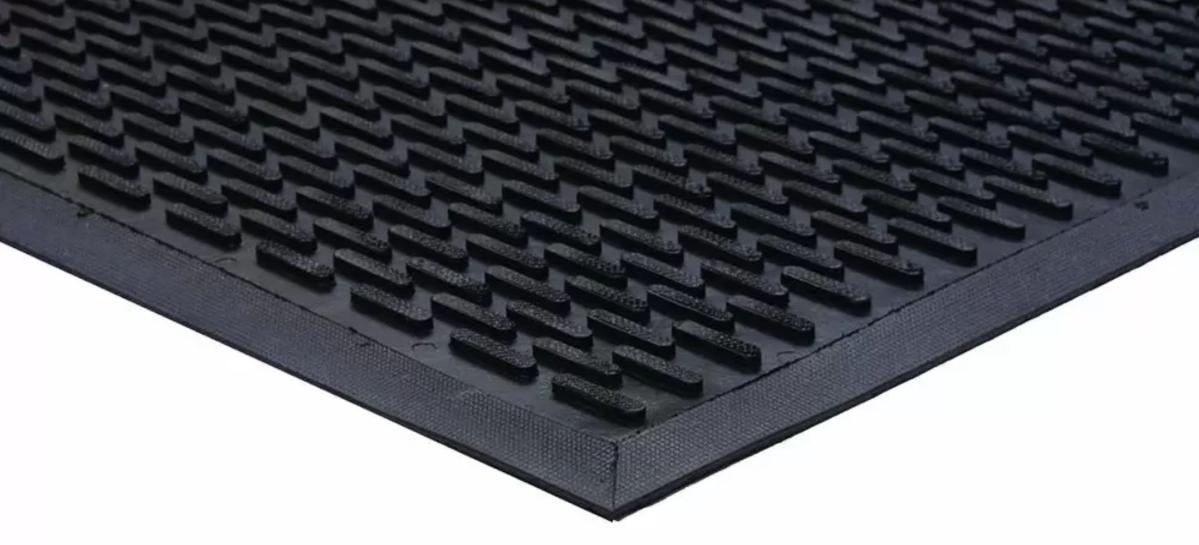
At Grimeford Mill, our outdoor rubber scraper mats are suitable for use in exposed areas around the home and can also be used outside commercial properties. Made from anti-slip rubber, they provide a practical surface for entrances and other outdoor areas where rain, mud, and wet footwear are common.
The mats are thick, providing a substantial surface for regular use, whilst their bevelled edges provide a gradual transition at the perimeter and can help reduce the risk of trips and falls. The durable construction makes them a practical option for dealing with the demands of autumn and winter weather. If you are looking for outdoor rubber matting for your home, contact us today to discuss your requirements. Alternatively, you can browse our website to have a look at our other outdoor matting solutions.
Preparing Your Entrance for Autumn and Winter
Wet and cold weather can make outdoor entrances harder to manage, but the right mat can help deal with some of the dirt, debris, and moisture brought in on footwear. When choosing outdoor rubber matting, consider the location, expected weather exposure, drainage, surface texture, dimensions, and the surface underneath. Regular cleaning is equally important, particularly when leaves, mud, and ice are present.
Choosing a mat that is designed for outdoor use and maintaining it throughout the colder months can help keep entrances more practical and easier to manage throughout autumn and winter.